
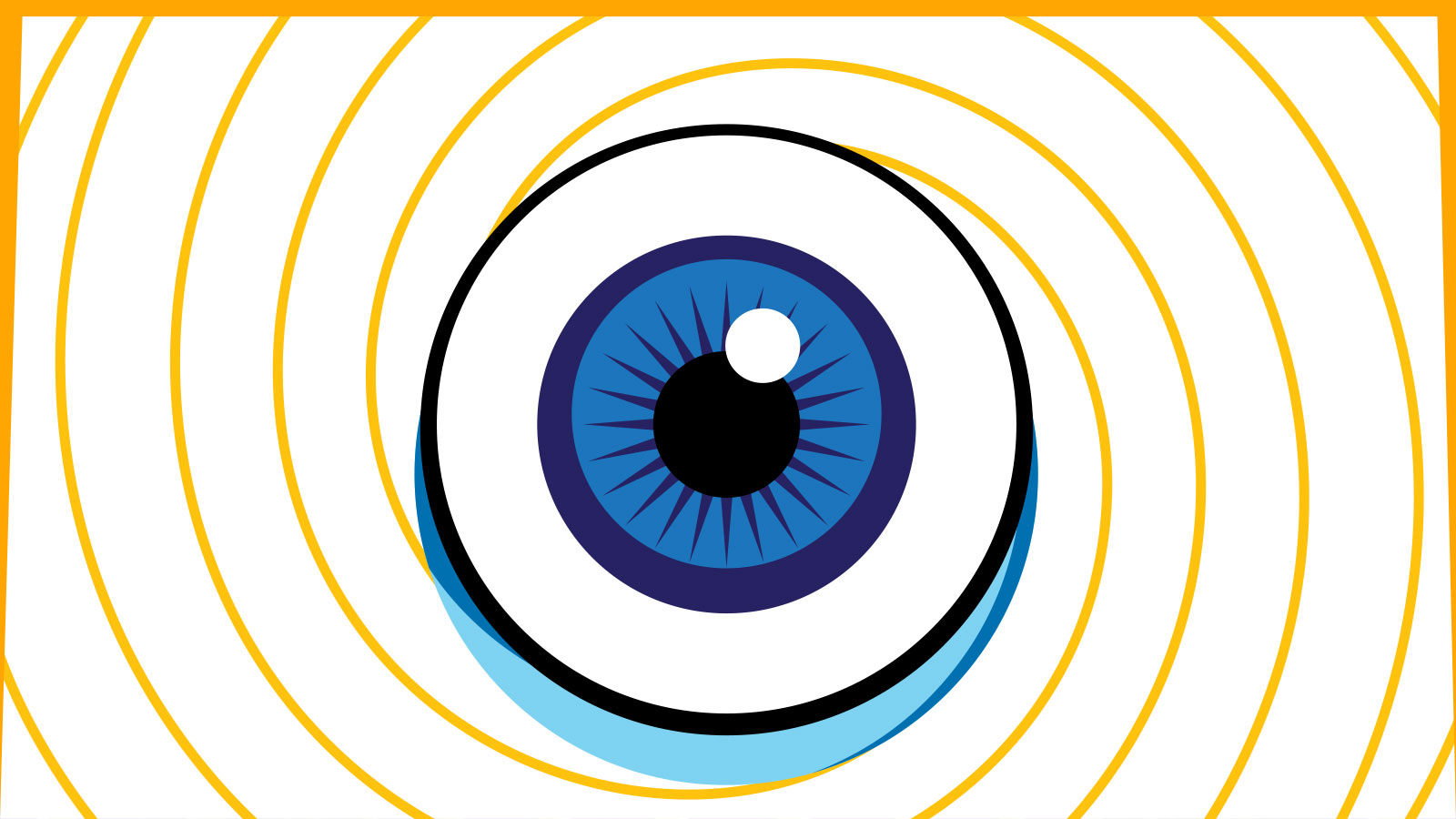

I found an optical illusion on Instagram last week, credited to a “Yamamoto Hashima, a top Japanese neurology professor” who reportedly created it to measure your anxiety. In the image, geometric shapes seem to move through the image. The faster the shapes appear to move, the more stressed you are feeling. I tested it on myself, on my daughter in a rollercoaster line [to thoroughly test the high anxiety angle], and even on my optometrist during my exam [she’s really smart and understands vision and visual perception]. The results: Mixed. Although most everyone saw the shapes moving, the speed of the movement wasn’t related to anxiety.
Have a look. What do you see?
How fast does it move for you? Does it guage your current stress level?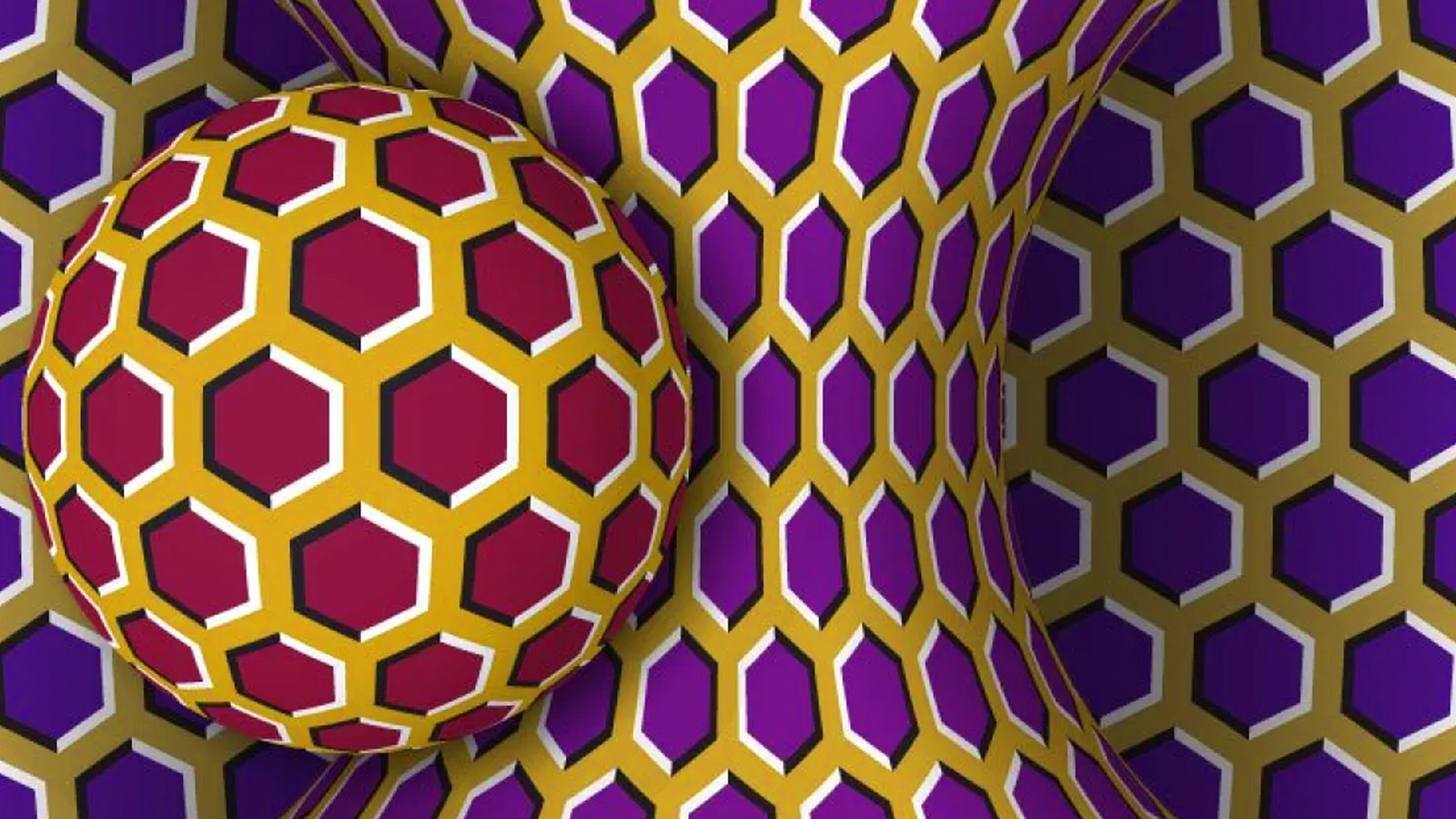
The Reveal
There’s no professor or stress test. The illusion was created by Ukranian illustrator Yurri Perpadia. This probably landed on millions of feeds and all uncredited. Poor Yuri. Two pieces of behavioral psychology did the actual work here, and they are both ubiquitously used in marketing. The invented credentials bought trust before anyone had a reason to give it — Authority Bias. Then there’s the claim itself, “if it moves, you’re anxious.” This is vague enough to fit anyone who sees the illusion working. That’s called the Barnum Effect, after the Greatest Showman who sold horoscope-style flattery as personalized insight. It’s just vague enough to fit anyone, but reads like it was written for you specifically.
Even knowing both tricks by name, I still fell for them. I stopped scrolling, tested it on my family and friends, and still sent it to three people before I found out it was fake. Behavioral psychology doesn’t ask permission before it works, which is exactly why it works so well in marketing. It’s why we’re fascinated by it. We’re not gullible, we’re human. The same wiring that made you lean into an Instagram post is the wiring every good name, every good headline, every good color choice is built to hit. A “recommended by” badge, a horoscope column, a reviews section: they’re all pulling the same levers with different labels. It’s less about whether the professor was real and more about someone knowing exactly which lever to pull for optimal engagement.
